

False Sense of Luxury: Luxury Products and their Parallel Counterfeits
Introduction
The luxury industry is built on rarity, craftsmanship, and brand storytelling. Yet a massive, parallel industry thrives on replicating these qualities—at least on the surface. Counterfeit goods have evolved far beyond the knockoffs once sold from street stalls; today, they range from blatant fakes to “superfakes” so convincing that even trained authenticators can be challenged.This analysis examines the legitimate luxury goods market vs. its counterfeit counterpart, with deep focus on handbags, the most emblematic and emotionally charged segment.
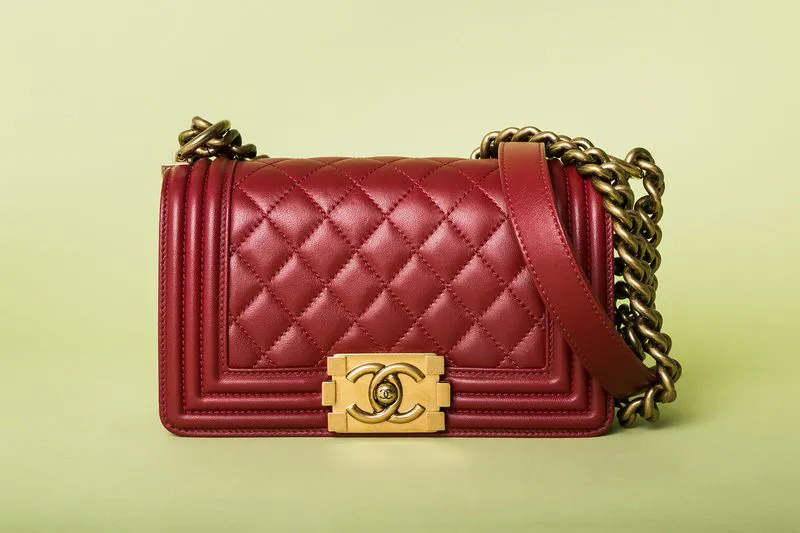
Chanel Boy Bag: which is real and which is fake (from Racked)?

The Global Luxury Goods Market
Scale & Structure
- Personal Luxury Goods (PLG): €363B in 2024, down slightly from €362B in 2023 (Bain–Altagamma).
- Broader Luxury Market: ~€1.5T in 2024, covering categories from fashion to fine dining, hospitality, and luxury cars.
- Top Product Categories in PLG: Leather goods (bags, wallets, belts), apparel, watches, jewelry, footwear, and beauty products.
Category Leaders
- Leather Goods: Louis Vuitton, Chanel, Hermès, Gucci, Dior, Saint Laurent
- Watches: Rolex, Patek Philippe, Audemars Piguet, Omega
- Jewelry: Cartier, Van Cleef & Arpels, Tiffany & Co.
- Apparel & Accessories: Gucci, Balenciaga, Prada, Moncler
Louis Vuitton: which is real and which is fake (from Racked)?


The Other SIde – Global Luxury Counterfeits
Scale & Impact
- Value: ~USD 467B annually, ≈2.3% of world imports (OECD/EUIPO).
- Most Targeted Categories: Leather goods, apparel, footwear, watches, jewelry, cosmetics, perfumes.
- Impact on Brands: Lost sales, brand dilution, increased enforcement costs, and erosion of exclusivity.
Enforcement Highlights
United States (FY2024) (CBP IPR Seizure Statistics):
- Top by MSRP: Jewelry ($1.65B), Watches ($1.44B), Handbags/Wallets ($1.09B).
- Top by Quantity: Handbags/Wallets (~5.13M), Pharmaceuticals (~3.74M).
- Origins: China & Hong Kong ≈90% of seized handbag quantities.
- Transport Mode: 97% of seizures in small parcels (de minimis).
European Union (2023) (European Commission):
- €3.4B in seized value (+77% YoY).
- 152M items seized.
High-Exposure Luxury Categories
Watches
The Swiss watch industry loses an estimated USD 1B+ annually to fakes, with Rolex, Omega, and Cartier as common targets. Fakes range from obvious quartz imitations to mechanical clones requiring dismantling to detect.
Jewelry
Iconic pieces like the Cartier Love bracelet and Van Cleef & Arpels Alhambra necklace are prime targets. Counterfeits often use lower-grade gold plating but replicate hallmark placement with extreme precision.
Apparel & Footwear
Logo-forward items like the Gucci GG belt or Christian Louboutin red-soled heels are widely replicated. These products are easier to ship in bulk and often enter markets through the same small-parcel channels as handbags.
4. Handbags — The Counterfeit Epicenter
Why Handbags?
Handbags are high-margin, status-signaling, and easily recognized. They’re also relatively simple to produce compared to a fine watch or jewelry piece, making them a sweet spot for counterfeiters.
Most Frequently Copied Brands/Models (Entrupy):
- Louis Vuitton: Neverfull, Speedy
- Chanel: Classic Flap, Boy
- Hermès: Birkin, Kelly
- Dior: Book Tote, Saddle
- Gucci: Marmont, Ophidia, Soho Disco
- Saint Laurent: Kate, Loulou
The Rise of “Superfakes”
These are 1:1 replicas often priced from $500–$5,000—crafted from high-quality leather, with hardware and stitching patterns so close to the original that even seasoned authenticators require advanced tools to verify authenticity (Wall Street Journal).
In 2019, a well-known Los Angeles socialite brought a “vintage” Hermès Birkin to a resale boutique, expecting to consign it for over $20,000. The bag passed the initial visual inspection—pristine stitching, real gold-plated hardware, perfect alignment of the Hermès Paris stamp. But during a microscopic leather grain analysis, the authenticator noticed an almost imperceptible pattern mismatch. Further testing revealed the leather had been treated with a polymer coating—something Hermès never uses.
The shock? The bag was a superfake purchased unknowingly from a trusted private dealer for $12,000. The owner was so convinced of its authenticity that she brought in two more Birkins from her closet for testing—both turned out to be counterfeit. This incident not only damaged the dealer’s reputation but also sent a ripple of caution through LA’s high-end resale scene.
In Summary: Side-by-Side
| Dimension | Legitimate Market | Counterfeit Market |
| Scale | €363B PLG (2024) / ~€1.5T total luxury | ~$467B counterfeit trade |
| Category Exposure | Leather goods, watches, jewelry, apparel | Same categories dominate fakes |
| Geography | US, EU, Japan, China | Sourcing: China, Hong Kong, Turkey |
| Distribution | Flagships, wholesale, e-com, resale | Social media, small parcels, shadow marketplaces |
| Consumer Drivers | Exclusivity, investment value | Price arbitrage, status signaling |
| Anti-counterfeit | Blockchain, NFC tags, resale authentication | Border seizures, takedowns, repeat relisting |
Strategic Implications
- Tech Defense: Scale up item-level tracking (Digital Product Passports, NFC chips) and link to blockchain provenance tools like Aura.
- Channel Focus: Strengthen small-parcel inspection partnerships with customs; monitor social commerce and encrypted messaging sales.
- Consumer Education: Promote awareness that “if it’s too good to be true” still applies—even for a $5,000 superfake.
- Resale Partnerships: Work closely with platforms to standardize authentication processes and share data on counterfeit detection.
Closing Thought
Luxury brands and counterfeiters are locked in a cat-and-mouse game that has only grown more sophisticated. Nowhere is this more visible than in handbags—where a single model, like the Birkin, can embody both the pinnacle of craftsmanship and the epitome of counterfeit ambition.